
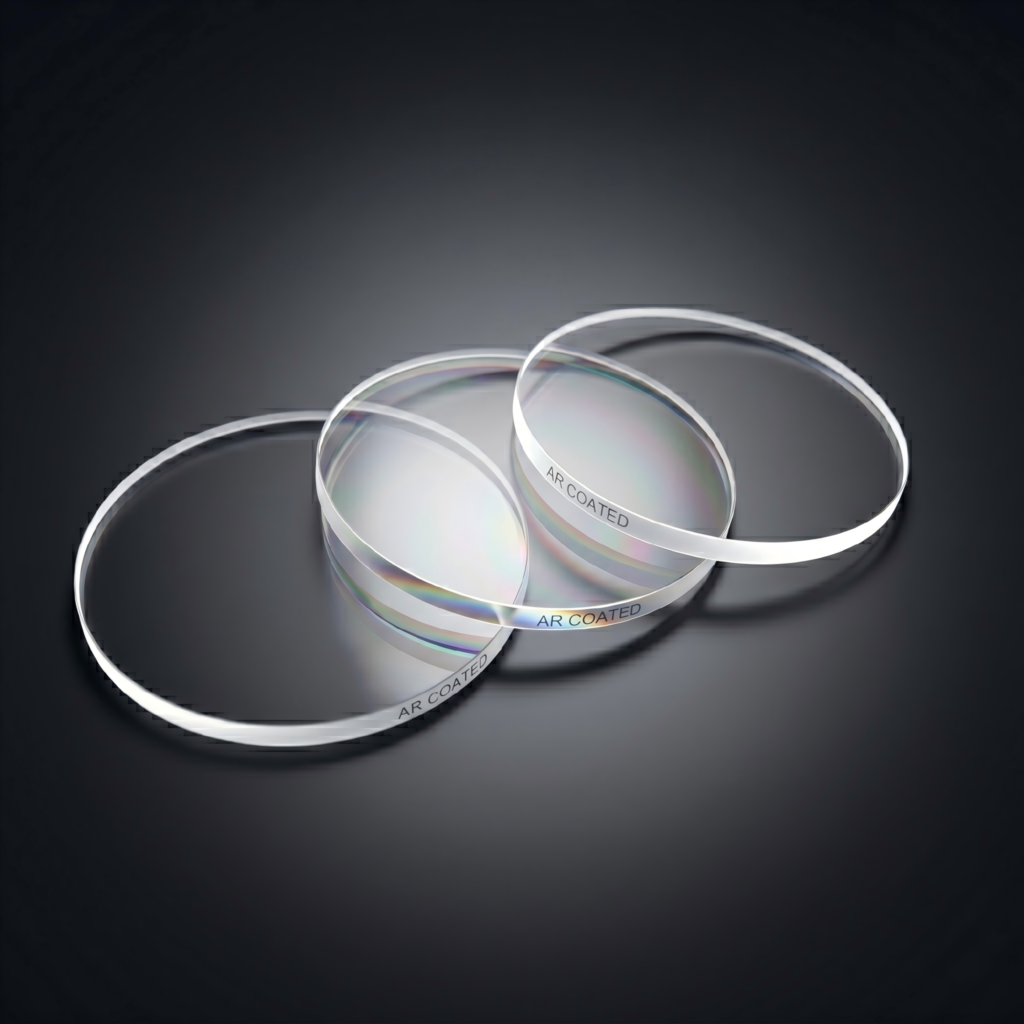
AR-Coated Optical Glass Windows for Machine Vision
High Optical Transmission | Reduced Ghosting & Glare | OEM Custom Sizing
- Industrial-Grade Protection: Acts as a robust first line of defense for expensive camera sensors and internal optics, shielding them from factory dust, oil mist, and physical debris without compromising image quality
- High-Efficiency BBAR Coating: Broadband anti-reflection coatings on both surfaces help reduce surface reflections, stray light, and ghosting, supporting improved image contrast in machine vision systems.
- Precision Optical Flatness: Manufactured with controlled parallelism and surface flatness to help minimize optical distortion and beam deviation in precision machine vision and automated inspection systems.
- OEM & Industrial Supply: AR-coated optical glass windows are available in custom sizes, thicknesses, substrate options, and coating specifications for machine vision and automation systems.
Technical Specifications
| Technical Parameter | Specification |
|---|---|
| Substrate | Premium Optical Glass (K9/N-BK7, B270, or other optical glass) |
| Dimensions | Custom (Round, Square, Rectangular, or Stepped Geometries) |
| Dimensional Tolerance | ±0.1mm (Standard) / ±0.02mm (High Precision) |
| Surface Quality | 40-20 to 60-40 Scratch-Dig |
| Surface Flatness | < λ/4 @ 632.8nm |
| Parallelism | < 3 arc minutes (Standard) |
| Coating (Both Faces) | Broadband Anti-Reflection (BBAR) VIS (400-700nm) or NIR (700-1050nm) |
| Peak Transmittance | > 98% Absolute Transmission across design wavelength |
| Clear Aperture | > 90% of central dimension |
Product Overview
Built for Factory Automation
Save maintenance costs and reduce equipment downtime. These windows provide durable protection for industrial lenses and CMOS sensors.Designed for demanding industrial environments, they allow vision engineers to secure sensitive internal components while maintaining high optical transmission in Automated Optical Inspection (AOI) systems.
Improved Contrast, Reduced Glare
Unwanted surface reflections can ruin image processing algorithms and trigger false rejects. Our dual-sided BBAR coating design solves this. By reducing surface reflectivity to <0.5% per face, the window helps improve light transmission to the sensor and reduce reflection-related stray light. This helps reduce ghosting and glare when inspecting reflective metallic or glass surfaces.
Reliable OEM & Industrial Supply
We support OEM and industrial customers with custom substrate options, dimensions, thicknesses, and AR coating specifications for machine vision and automation systems. Components can be supplied for integration into camera housings, sensors, and inspection equipment.
Metrology & Performance Reports
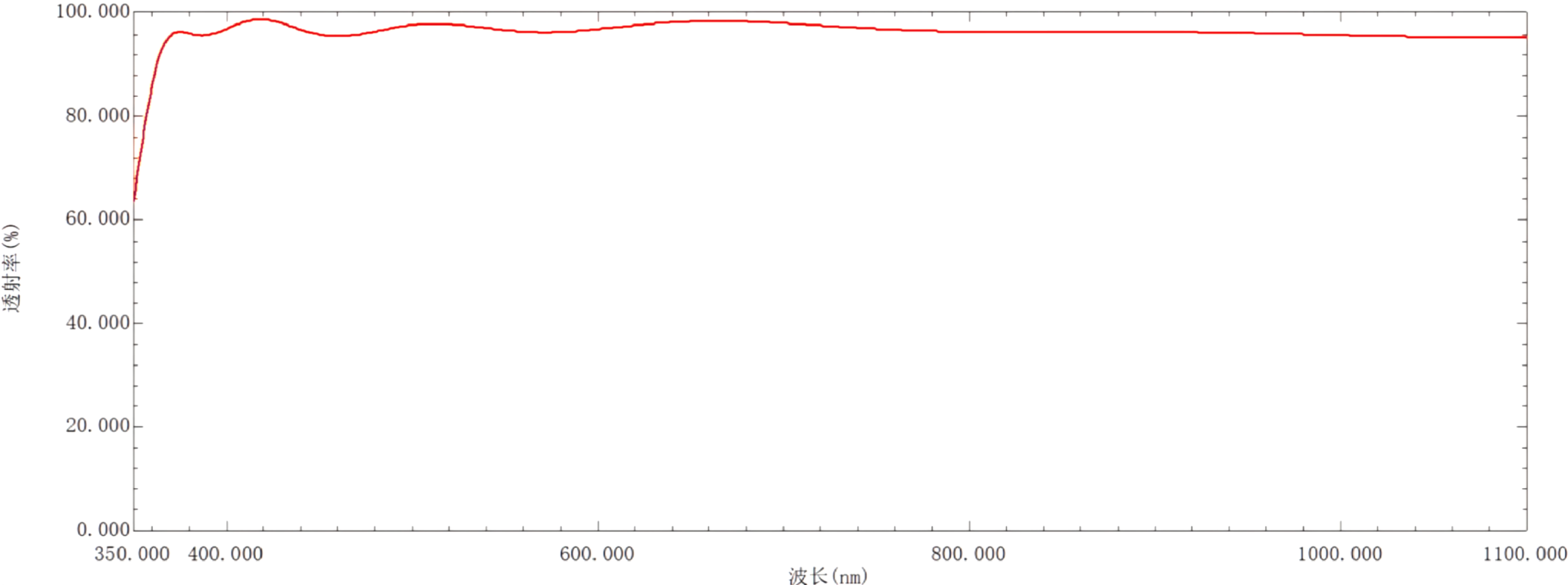
Figure 1: FTIR Spectrophotometer Transmittance Analysis
This curve illustrates the performance of our double-sided BBAR coating on K9 optical glass. It achieves a stable absolute transmittance of >98% across the 400nm to 1100nm spectrum. By reducing surface reflectivity to <0.5% per face, the coating helps improve light transmission to CMOS sensors and reduce reflection-related ghosting in visible and NIR machine vision systems.
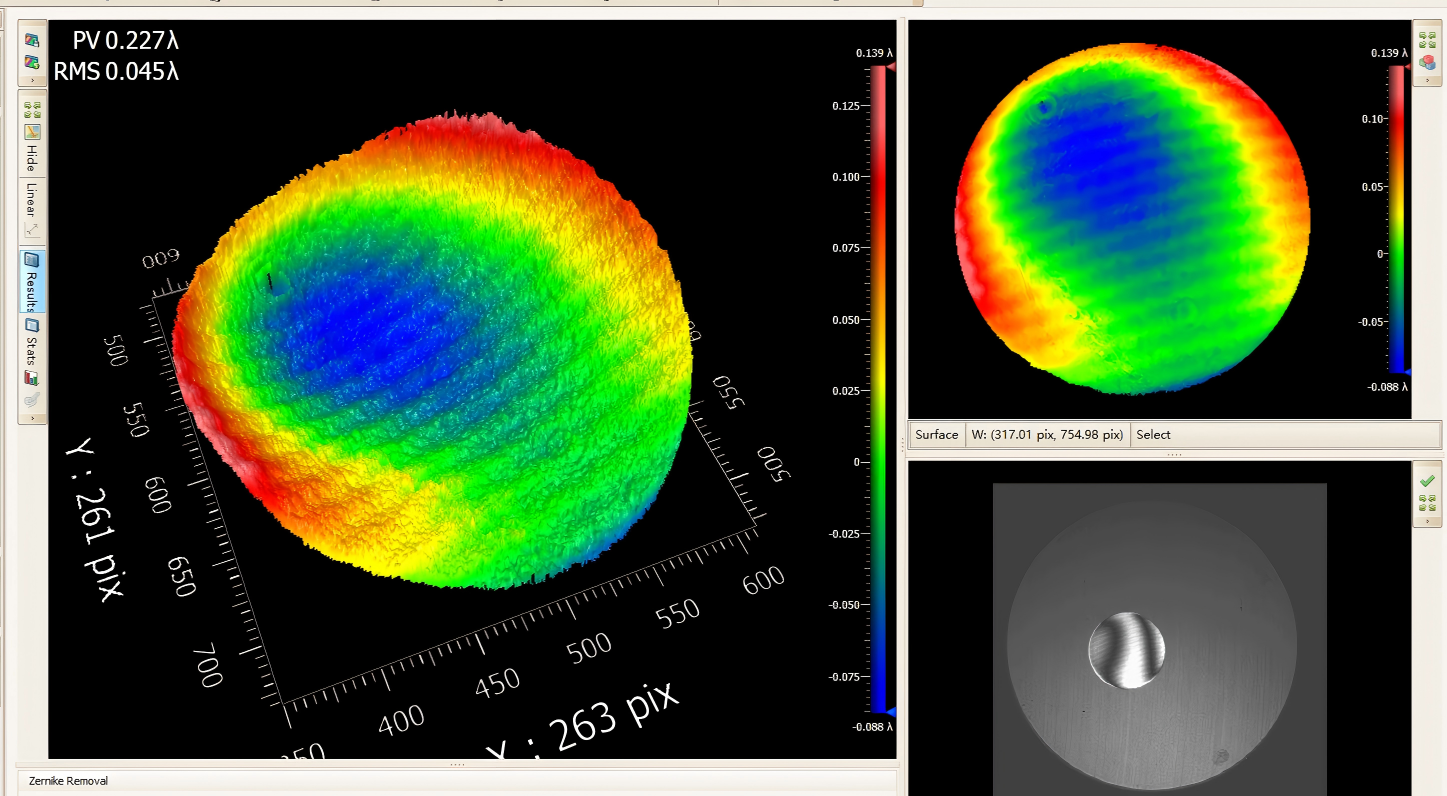
Figure 2: Surface Flatness Interferogram
This interferogram shows a surface flatness better than λ/4, supporting controlled wavefront performance and low optical distortion in high-resolution machine vision and automated inspection systems.
Metrology Analysis & Application Fit
- Target Transmission: BBAR VIS (400-700nm) or BBAR NIR (700-1050nm) tailored to match your specific LED illumination arrays.
- Performance Index: >98% transmission across the specified spectral range helps improve light delivery to the camera sensor and supports high-contrast imaging in machine vision applications.
- Mechanical Precision: CNC glass cutting supports tight dimensional tolerances and reliable integration with camera housings and protective enclosures.
- Primary Applications: Ideal for robotic guidance, semiconductor wafer inspection, logistics barcode scanning, food sorting, and packaging defect detection under unpredictable factory lighting.
Custom Sub-Assembly & Engineering Services
Off-the-shelf windows don’t always fit custom hardware. We specialize in bridging the gap between raw optical components and final instrument assembly. Whether you need custom stepped edges for specialized mounting, customized Oleophobic (anti-smudge) outer coatings, or edge-blackening to help reduce internal stray light and scattering, our technical team is ready to optimize your vision systems.